Editorial Analysis
Heat coverage becomes more valuable when it moves beyond temperature records and starts tracing how electricity, transit, housing, and labor conditions respond under strain. The real public-interest story is about resilience, unequal exposure, and operational readiness.
Key Takeaways
- Extreme heat should be covered as a systems story involving grids, transit, schools, and labor policy.
- Neighborhood-level vulnerability often matters more than the regional average temperature.
- Readers need service journalism that explains both immediate risk and structural exposure.
Records are less useful than failure points
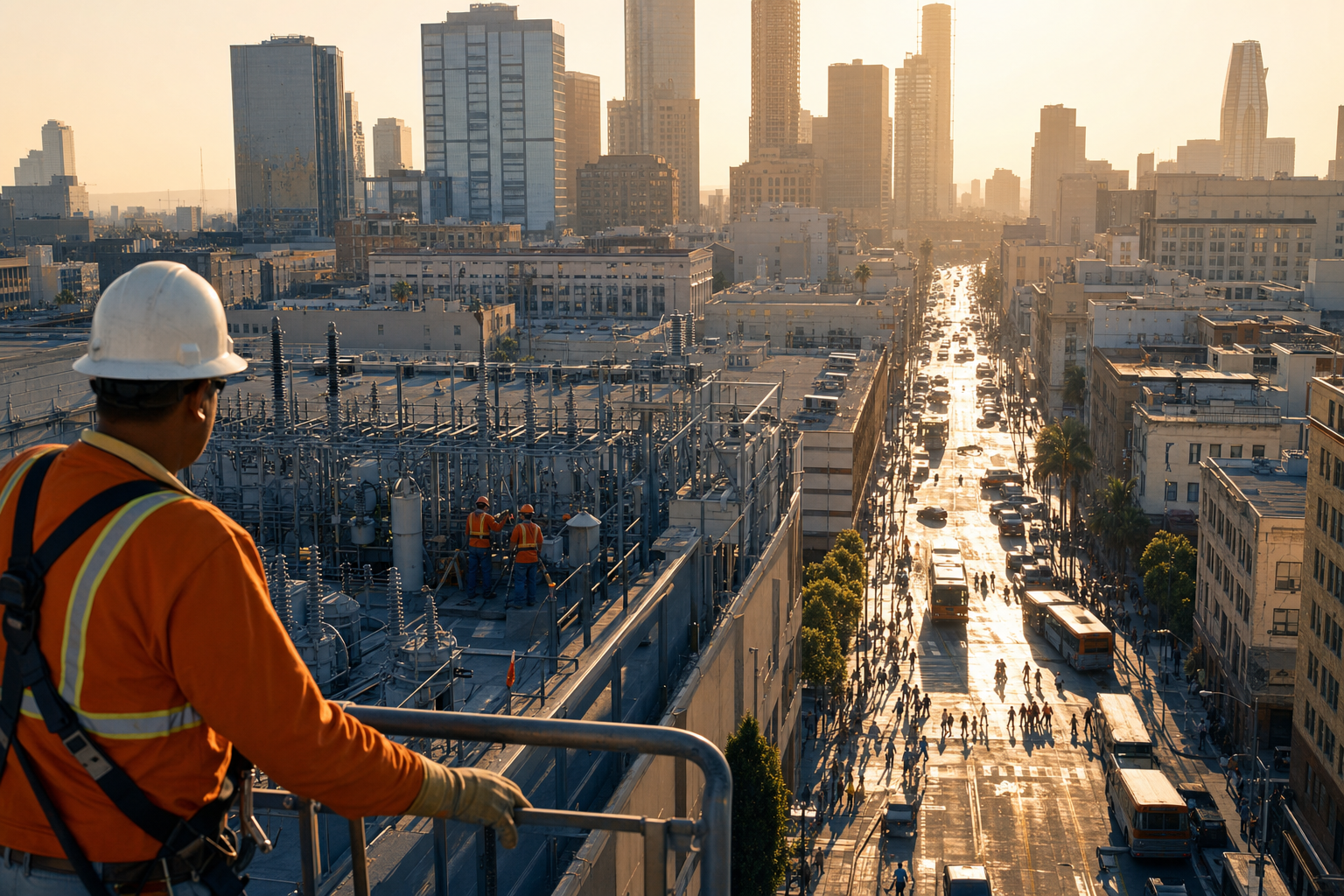
A record temperature headline may capture attention, but it does not tell the public what the next twelve hours will feel like. The more useful question is whether substations can hold load, whether rail service will slow, whether classrooms can stay open, and whether outdoor workers have practical protection. When a newsroom follows operational risk instead of stopping at the thermometer, heat coverage becomes more predictive and more relevant to daily life.
The city does not heat evenly
Heat is one of the clearest examples of uneven urban risk. Dense neighborhoods with limited tree cover, older rental stock, weaker grid redundancy, and long transit commutes will experience the same regional forecast very differently. A stronger story explains why some residents can shift schedules or cool their homes while others face higher bills, longer commutes, or direct medical exposure.
Useful heat journalism blends urgency and planning
Readers want two kinds of help at once. They need practical guidance for the next day and structural explanation for the next decade. Strong coverage tells people where the practical strain will show up now while also explaining which investments would change the pattern later. That balance is what turns weather coverage into public-service reporting.